As we all know, life today is pretty fast paced, strenuous and totally unpredictable and that’s where an emergency fund comes in pretty useful when unexpected life events occur. I’m obsessed with being financially prepared and living with some sort of safety net to cater for life’s unexpected events and ever more so after the global Covid 19 pandemic. When this event triggered it resulted in many individuals losing their jobs and leaving them unable to support their families.
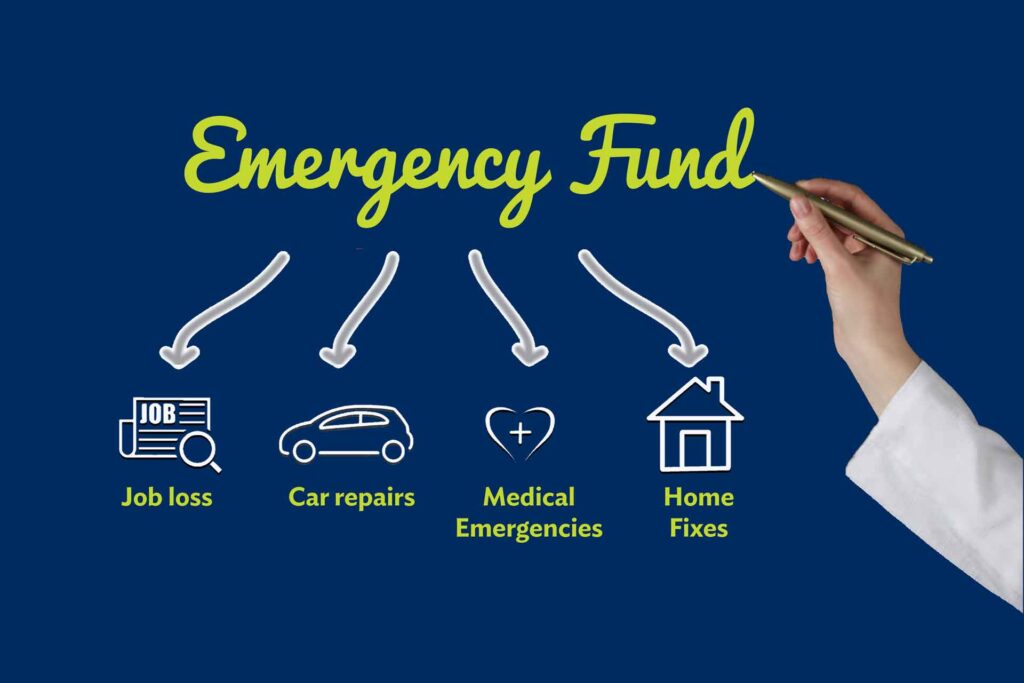
An emergency fund is basically a simple savings account where you set aside a sum of money to cover any unexpected expenses, setbacks or emergencies, such as medical bills, car repairs, or job loss. In my personal life I have made my emergency fund a financial priority so that I can have peace of mind that I have a safety net in place in the event money is needed for some sort of emergency.
How much money should be in an emergency fund?
The amount of money that should be in an emergency fund varies based on an individual’s financial situation and requires consistent effort and dedication. A good rule of thumb in my opinion is to have at least three to six months’ worth of expenses saved in an emergency fund.
For example, if your monthly expenses are R20,000 per month then your emergency fund should hold between R60,000 and R120,000. Of course the amount needed will vary depending on your personal circumstances, such as your job security, insurance coverage, and health status. For example, if you’re someone with a high risk of job loss then you may need to save more in your emergency fund.
Where should the emergency funds be kept?
I keep my emergency funds in a separate but easily accessible account, such as a savings account or money market account. These accounts offer slightly higher interest rates than cheque accounts and allow for quick access to your funds. I don’t invest my emergency funds into listed stocks or crypto because of the unexpected uncertainty and volatility.
I can’t run the risk of possibly losing my initial investment if the value of the shares or crypto falls below what I purchased them for. Putting the money in a savings account however, would preserve my initial deposit for when I really need it.
How do I build an emergency fund?
Building an emergency fund requires consistent effort and dedication to saving.
Here are some tips to help build an emergency fund:
1. Set a savings goal: Determine how much money is needed for an emergency fund and set a goal to reach that amount within a certain timeframe.
2. Create a budget: Create a budget to track expenses and identify areas where money can be saved.
3. Automate savings: Set up automatic transfers to a dedicated emergency fund account each month to make savings a consistent habit. I set aside some funds each into ‘pockets’ in my Nedbank account.
4. Prioritize savings: Make savings a priority and avoid using emergency funds for non-emergency expenses.
5. Increase savings over time: As your financial situation improves over time, consider increasing the amount saved in the emergency fund to reflect the changes in expenses and financial goals.
When to use emergency funds?
Emergency funds should only be used as a last resort after all other options have been exhausted for unexpected and necessary expenses, such as medical bills, car repairs, or job loss. It is important to avoid using emergency funds for non-emergency expenses or lifestyle upgrades.